


 UN Secretary-General António Guterres addresses the Fifth Committee: Revised Budget for the United Nations 80th Anniversary


Celebrity Media Foundation Analyst: The United Nations will elect its next Secretary-General next year for a five-year term beginning January 1, 2027. This marks the official activation of the race for the tenth UN Secretary-General. As the world remains entangled in the conflict in the Middle East, the US–China strategic rivalry, AI governance crises, and stalled climate negotiations, the UN is approaching a transition of power that is both subtle and perilous. The competition appears calm on the surface, but underneath lies intense geopolitical tension: major powers remain locked in mutual distrust; coalitions of smaller states demand a “decentralization of power”; and middle powers fear that a merely “symbolic” Secretary-General would accelerate the institutional hollowing of the UN.
In this atmosphere of confrontation and distrust, our analysis suggests that one name, initially considered an outsider, may rapidly move into the spotlight: Amina J. Mohammed.
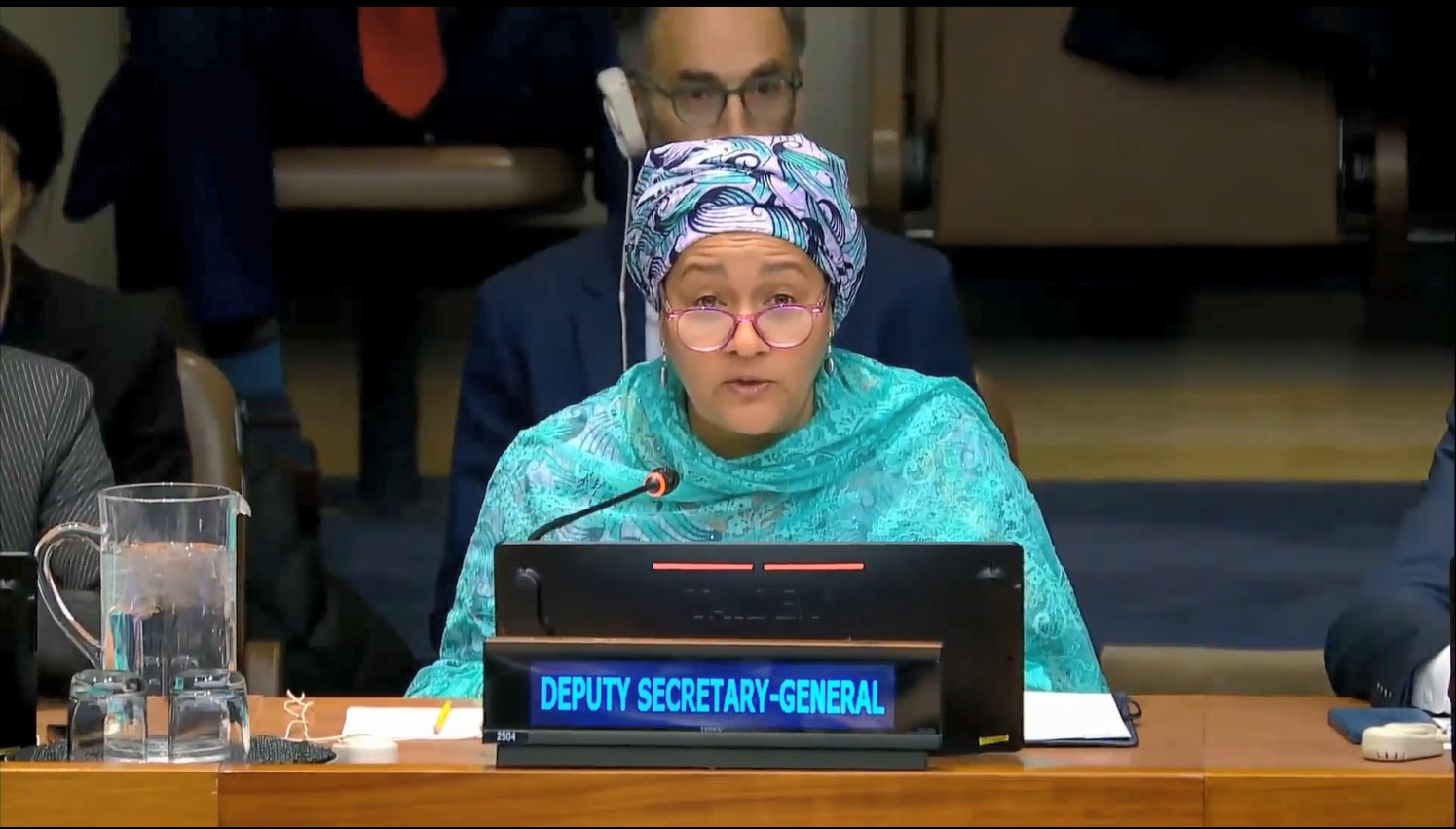
In diplomatic circles in New York, her name is increasingly heard in discreet conversations. In Geneva, one diplomat even stated openly: “The media are focused on candidates backed by major powers, but the one who may ultimately prevail is likely her.”
Diplomats acknowledge that the election of the tenth Secretary-General will shape global governance for the next decade. Amid rising East–West antagonism, widening North–South divides, and escalating wars and displacement crises, member states are searching for a leader capable of maintaining a “minimally viable international order.”
Within this fragmented diplomatic landscape, a figure once seen as quietly influential has quickly become both the most credible and the most disruptive option: Amina J. Mohammed, UN Deputy Secretary-General. Many assumed she would continue serving as the “Number Two.” Yet today, governments—and members of the Celebrity Media Foundation Board—are recognizing a new reality: she may be the only candidate capable of preventing the institutional fragmentation of the UN.

A global momentum is already underway. During the 69th Session of the Commission on the Status of Women (CSW69) held at UN Headquarters this March, the “Women for Peace International Forum”—organized by the Celebrity Media Foundation on March 13 at the Delegates Dining Room—became a pivotal moment. Speaking at the forum, Bruce Knaz, former Chair of the UN NGO Committee, publicly emphasized that the next Secretary-General should be a woman.
Knaz noted that global data shows measurable improvements in governance outcomes when women lead institutions. He therefore urged member states to seriously consider a female leader, to strengthen the UN’s legitimacy and advance gender equality in a rapidly changing world.
This is not merely rhetoric; it represents an emerging geopolitical intuition. The world can no longer afford leadership models inherited from the past. A powerful wave of international consensus is rising.
A female Secretary-General would not be a symbol, but a necessity. Four major contenders are currently in the race, but one is gradually drawing the center of attention. According to Celebrity Media observations, a four-pole landscape is emerging among potential candidates:
1. Costa Rica has officially nominated Rebeca Grynspan. She enjoys real political momentum but also faces clear opposition.
Her leadership is dynamic and compelling—but some major states view her as unpredictable.
2. On September 23, 2025, Chilean President Gabriel Boric announced the nomination of former president Michelle Bachelet, who previously served as UN High Commissioner for Human Rights.
3. The Celebrity Media Foundation believes that María Fernanda Espinosa Garcés—former President of the UN General Assembly (Ecuador)—has a strong track record and significant political influence. She is highly adept in volatile political environments.
4. Rafael Grossi, Director General of the International Atomic Energy Agency (IAEA), has expressed interest in entering the race. Several foreign ministers and former heads of government, still “undeclared,” are also assessing their prospects. Their potential influence is significant.
The greatest vulnerability in any Secretary-General campaign is a late start. Yet only one candidate stands out: no major controversies, no entrenched opposition, no strong factional reliance, and a robust operational record. That candidate is Amina J. Mohammed.
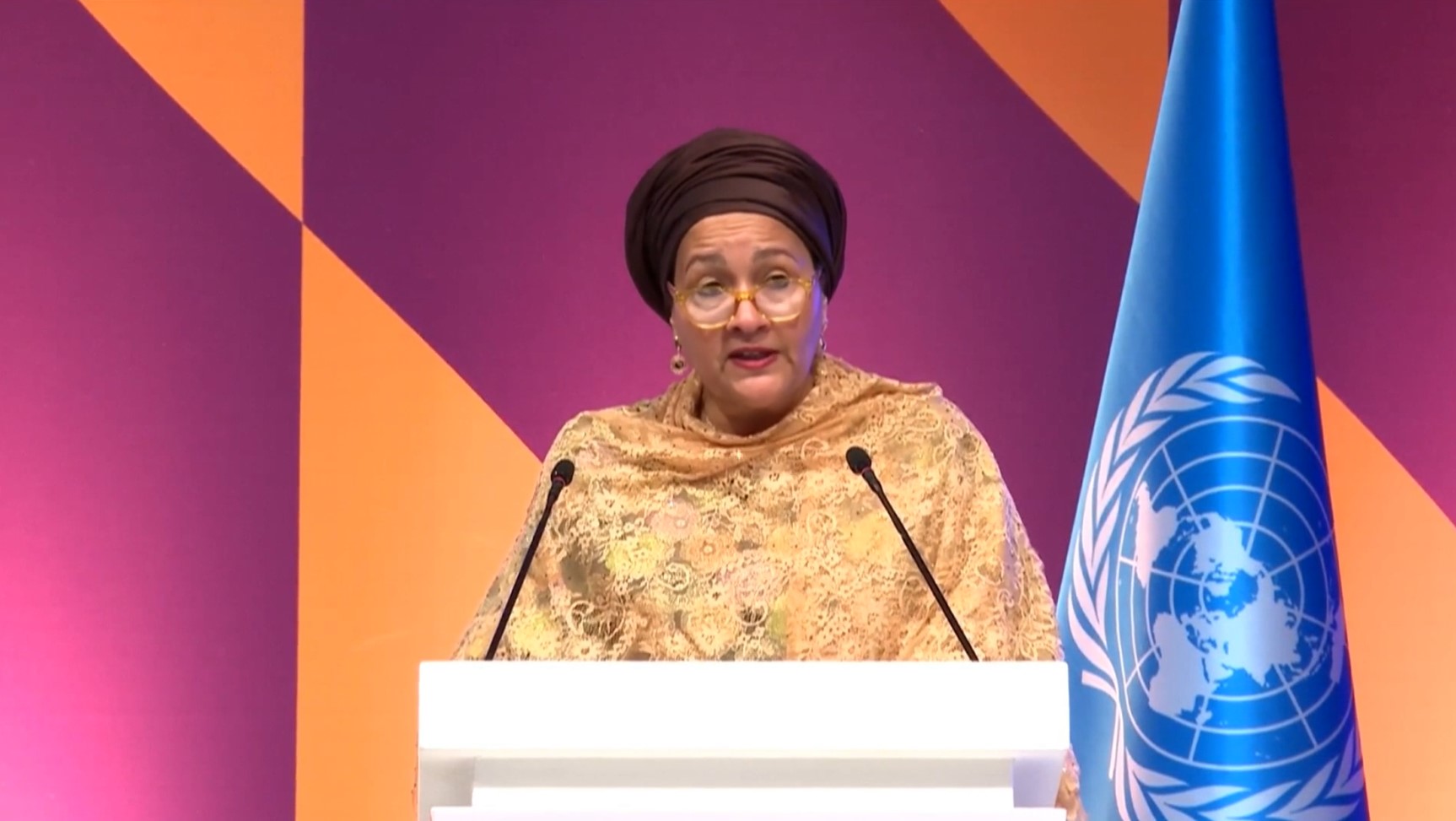
Six-Language Synchronized Mode · UN News Highlights
Why does she emerge as the “optimal leader of the decade”? Because across every indicator of global instability, she remains the singular point of strategic stability.
She holds six decisive strengths:
1. Age 63: the ideal balance of experience and capacity
While many candidates are approaching or beyond 70, she combines maturity, energy, and diplomatic vision at their peak.
2. The only Deputy Secretary-General serving two full terms
She does not need to learn how the UN works—she already operates its core machinery.
3. Broad global acceptability
No entrenched opposition, and significant implicit support across regions.
4. Potentially the first woman Secretary-General in UN history
A historic but necessary evolution after nearly 80 years.
5. Influence-based diplomacy with real outcomes
She reduces tensions, reopens diplomatic channels, and preserves space for negotiation.
6. Unique reform expertise
She understands what to change quickly, what to adjust gradually, and what must not be disrupted.
Conclusion: She may not be perfect, but she is the leader who best aligns with current strategic realities. As the world approaches the historic possibility of electing the first female UN Secretary-General, Amina J. Mohammed stands as the most coherent, viable, and future-oriented option.