








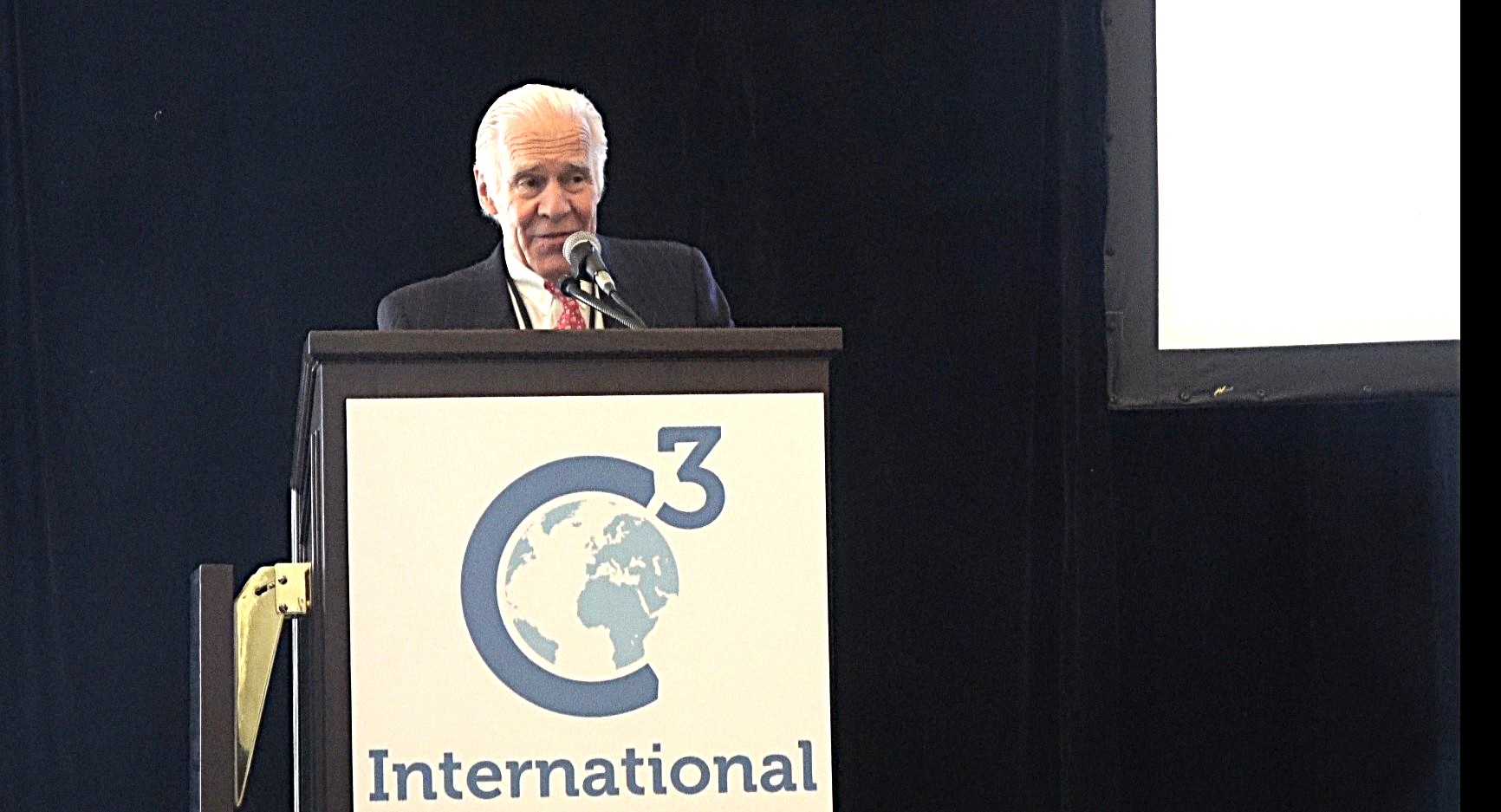
 Celebrity Media: Dr. Deborah Birx, former White House Coronavirus Response Coordinator, spoke yesterday with Dr. Toby Cosgrove, former president and CEO of Cleveland Clinic, about the pressures currently facing healthcare providers and how artificial intelligence could help healthcare systems address challenges such as rising costs, workforce shortages, and the rapid expansion of medical knowledge.
The conversation took place at the historic Union League Club in New York City. Founded in 1863, the club has long served as an important gathering place for leaders in politics, business, medicine, and other areas of public affairs.
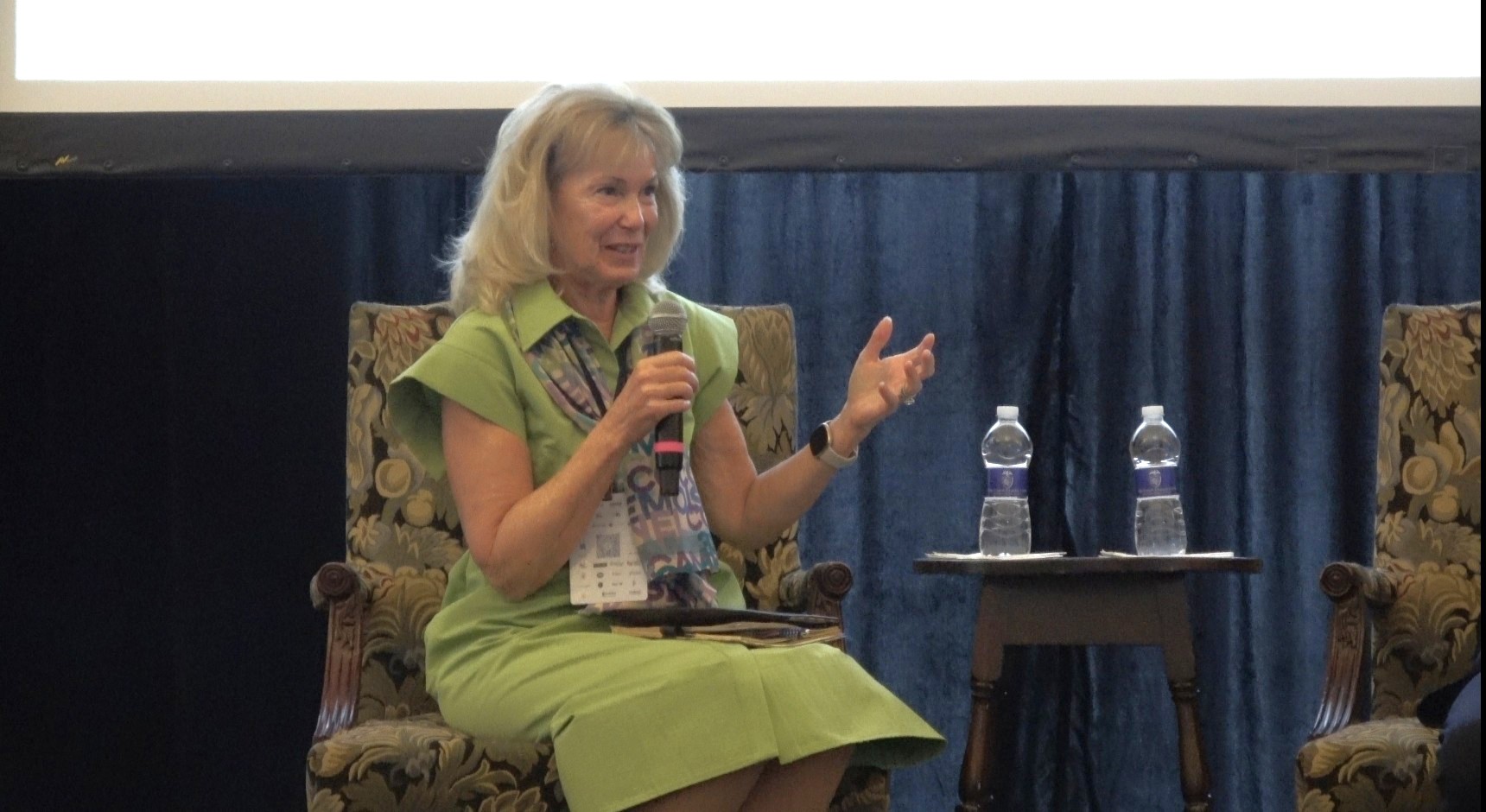
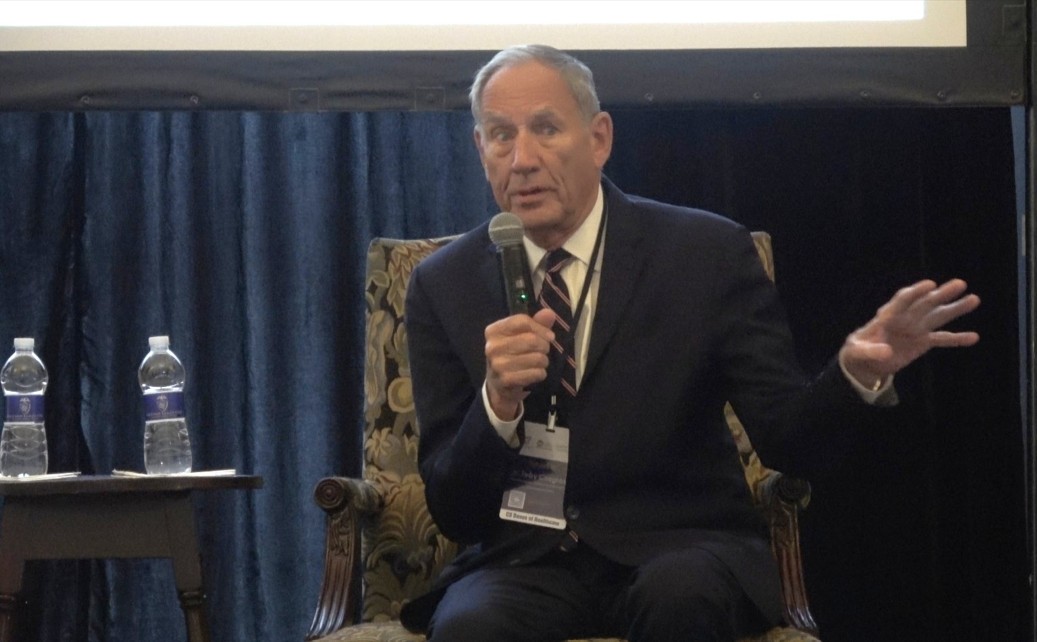
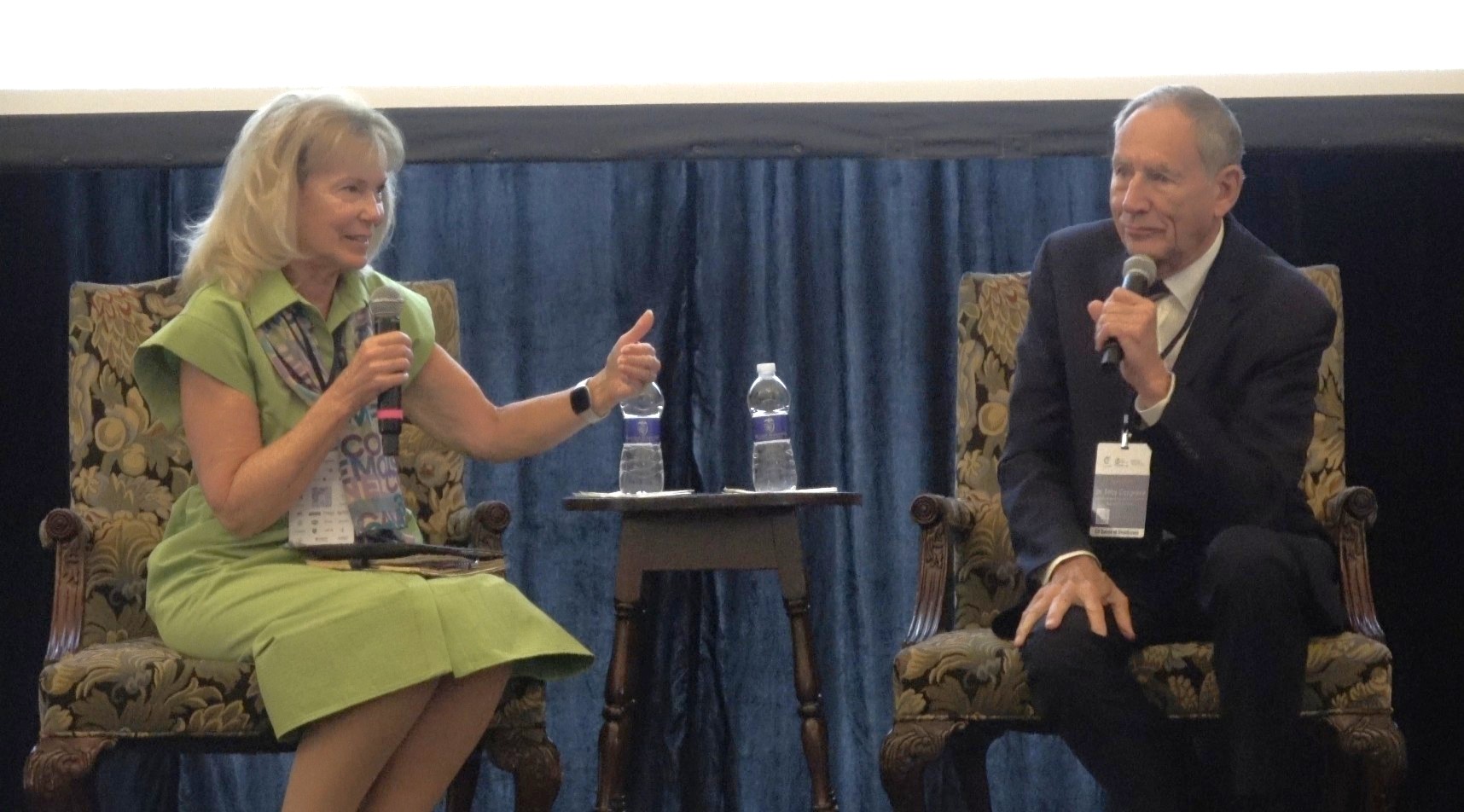
During the conversation, Birx reflected on her 29 years of military and medical service. She noted that healthcare professionals in the past may not always have paid sufficient attention to patients’ emotional needs, nor considered issues from the perspective of the pressures faced by healthcare providers. She then asked Cosgrove: What kinds of pressures are healthcare institutions and professionals facing today, and what role can artificial intelligence play?
Cosgrove said that the challenges currently confronting the healthcare system can be broadly divided into three areas.
The first is financial pressure. The operating costs of hospitals and healthcare services continue to rise, and many hospitals in the United States are operating at a loss. The second is the shortage of healthcare workers, with a large number of positions remaining unfilled throughout the industry. The third is the explosive growth of medical knowledge. Cosgrove noted that medical knowledge is advancing at an extraordinary pace, with vast numbers of research papers published every year. It is becoming increasingly difficult for healthcare professionals to keep up with all the latest research and clinical information through their own efforts alone.
In response to these pressures, Cosgrove believes that artificial intelligence can support healthcare in four major areas.
First, artificial intelligence will further broaden access to medical knowledge. Members of the public will be able to obtain and understand health information more easily, allowing them to develop an initial understanding of their conditions before seeking medical care. This will strengthen patients’ ability to participate in healthcare decisions while also changing the information dynamic between doctors and patients.
Second, artificial intelligence can assist medical research. It can process large volumes of data, identify patterns, and help researchers discover valuable insights more quickly, thereby improving research efficiency.
Third, artificial intelligence will play a role in clinical practice. Cosgrove further divided its clinical applications into two areas: knowledge and procedures. He does not believe that artificial intelligence will completely replace physicians in performing surgery and other procedures in the near future. However, it can help healthcare professionals organize and apply the rapidly expanding body of medical knowledge, enabling clinical decisions to be supported by more comprehensive information.
Fourth, artificial intelligence can improve the administrative management of healthcare institutions by handling complex routine tasks, increasing operational efficiency, and reducing the burden of nonclinical work on healthcare professionals.
Cosgrove believes that these applications could ease the pressures faced by healthcare providers and lead to better patient care. However, this transformation will also bring a certain degree of disruption to physicians and the medical profession as a whole, as healthcare professionals must learn to adapt to new technologies and new ways of working.
He also noted that the healthcare industry has often been slow to respond to change. However, the development of artificial intelligence is creating a force that can no longer be ignored, pushing healthcare systems to gradually integrate patient services, research, clinical practice, and administrative management.
Notably, the earliest and fastest adopters of artificial intelligence may not be hospitals or physicians, but members of the public seeking medical knowledge. This means that the transformation of healthcare through artificial intelligence will come not only from within healthcare institutions, but also from patients and society demanding more transparent and efficient healthcare services.